


在 Raspberry Pi 4 和 5 上進行即時推理(40 fps!)#
創建於:2022 年 02 月 08 日 | 最後更新:2025 年 09 月 30 日 | 最後驗證:2024 年 11 月 05 日
作者:Tristan Rice
PyTorch 對 Raspberry Pi 4 和 5 提供了開箱即用的支援。本教程將指導您如何設定 Raspberry Pi 以執行 PyTorch,並在 CPU 上即時(30-40 fps)執行 MobileNet v2 分類模型。
所有這些都已在 Raspberry Pi 4 Model B 4GB 上進行了測試,但應該也適用於 2GB 型號,以及在 3B 上執行(效能會降低)。
先決條件#
要遵循本教程,您需要一臺 Raspberry Pi 4 或 5,一個攝像頭以及所有其他標準配件。
散熱片和風扇(可選但推薦)
5V 3A USB-C 電源介面卡
SD 卡(至少 8GB)
SD 卡讀寫器
Raspberry Pi 設定#
PyTorch 只提供 Arm 64 位(aarch64)的 pip 包,因此您需要在 Raspberry Pi 上安裝 64 位版本的作業系統。
您需要安裝 官方 rpi-imager 來安裝 Rasbperry Pi OS。
32 位 Raspberry Pi OS 將無法工作。
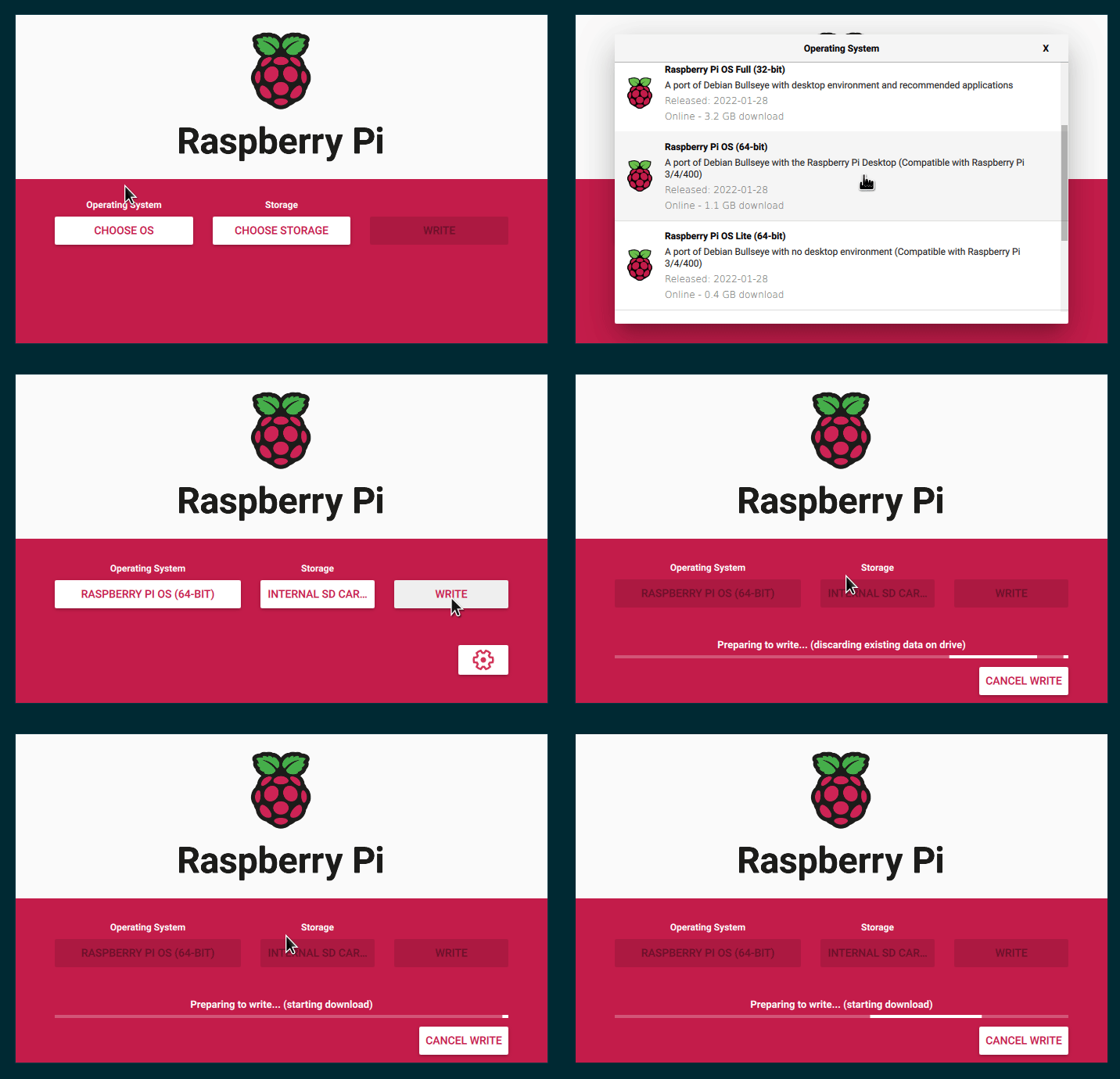
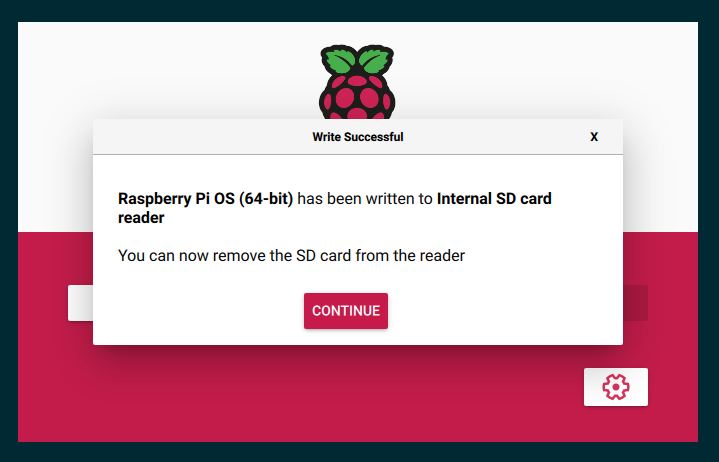
安裝過程將至少需要幾分鐘,具體取決於您的網際網路速度和 SD 卡速度。完成後,應該會顯示如下內容:
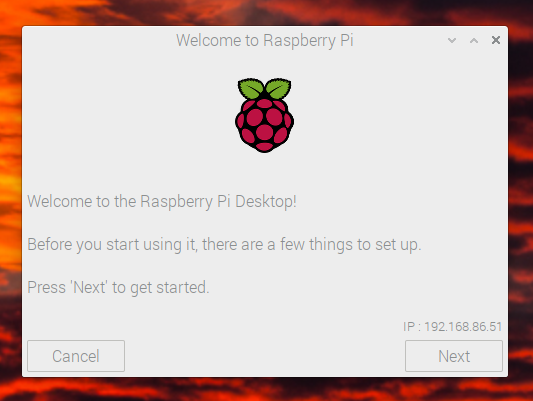
現在將 SD 卡插入 Raspberry Pi,連線攝像頭並啟動。
Raspberry Pi 4 配置#
如果您使用的是 Raspberry Pi 4,則需要進行一些額外的配置更改。Raspberry Pi 5 不需要這些更改。
作業系統啟動並完成初始設定後,您需要編輯 `/boot/config.txt` 檔案以啟用攝像頭。
# This enables the extended features such as the camera.
start_x=1

# This needs to be at least 128M for the camera processing, if it's bigger you can just leave it as is.
gpu_mem=128
然後重新啟動。
安裝 PyTorch 和 picamera2#
PyTorch 和所有其他我們需要的庫都有 ARM 64 位/aarch64 版本,因此您可以透過 pip 安裝它們,就像在任何其他 Linux 系統上一樣工作。
$ sudo apt install -y python3-picamera2 python3-libcamera
$ pip install torch torchvision --break-system-packages
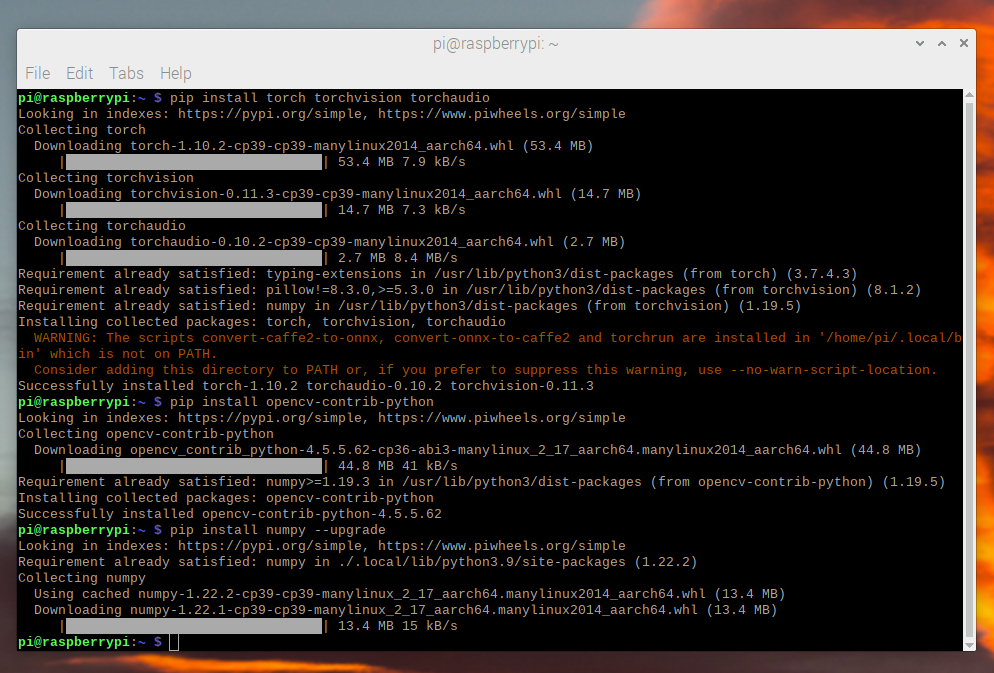
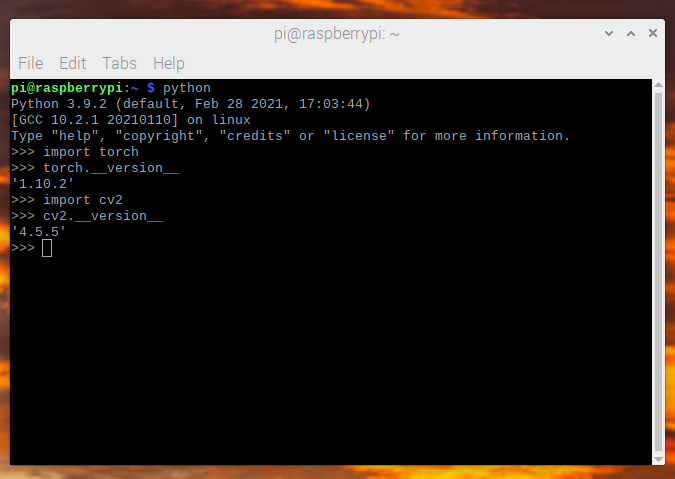
我們現在可以檢查所有安裝是否正常
$ python -c "import torch; print(torch.__version__)"
影片捕獲#
首先,在終端中執行 `libcamera-hello` 來測試攝像頭是否正常工作。
對於影片捕獲,我們將使用 picamera2 來捕獲影片幀。
我們使用的模型(MobileNetV2)接受的影像尺寸為 `224x224`,因此我們可以直接從 picamera2 請求該尺寸的影片,幀率為 36fps。我們目標是 30fps 的模型幀率,但我們請求稍高的幀率,以便始終有足夠的幀。
from picamera2 import Picamera2

picam2 = Picamera2()

# print available sensor modes
print(picam2.sensor_modes)

config = picam2.create_still_configuration(main={
    "size": (224, 224),
    "format": "BGR888",
}, display="main")
picam2.configure(config)
picam2.set_controls({"FrameRate": 36})
picam2.start()
為了捕獲幀,我們可以呼叫 `capture_image` 來返回一個 `PIL.Image` 物件,該物件可用於 PyTorch。
# read frame
image = picam2.capture_image("main")

# show frame for testing
image.show()
此資料讀取和處理大約需要 `3.5ms`。
影像預處理#
我們需要將幀轉換為模型期望的格式。這與在任何機器上使用標準 torchvision 變換進行的處理相同。
from torchvision import transforms

preprocess = transforms.Compose([
    # convert the frame to a CHW torch tensor for training
    transforms.ToTensor(),
    # normalize the colors to the range that mobilenet_v2/3 expect
    transforms.Normalize(mean=[0.485, 0.456, 0.406], std=[0.229, 0.224, 0.225]),
])
input_tensor = preprocess(image)
# The model can handle multiple images simultaneously so we need to add an
# empty dimension for the batch.
# [3, 224, 224] -> [1, 3, 224, 224]
input_batch = input_tensor.unsqueeze(0)
模型選擇#
有許多模型可供選擇,它們具有不同的效能特徵。並非所有模型都提供 `qnnpack` 預訓練變體,因此為了測試目的,您應該選擇一個提供該變體的模型,但如果您自己訓練和量化模型,則可以使用任何模型。
在本教程中,我們使用 `mobilenet_v2`,因為它具有良好的效能和準確性。
Raspberry Pi 4 效能測試結果
模型 |
FPS |
總時間(ms/幀) |
模型時間(ms/幀) |
qnnpack 預訓練 |
|---|---|---|---|---|
mobilenet_v2 |
33.7 |
29.7 |
26.4 |
真 |
mobilenet_v3_large |
29.3 |
34.1 |
30.7 |
真 |
resnet18 |
9.2 |
109.0 |
100.3 |
假 |
resnet50 |
4.3 |
233.9 |
225.2 |
假 |
resnext101_32x8d |
1.1 |
892.5 |
885.3 |
假 |
inception_v3 |
4.9 |
204.1 |
195.5 |
假 |
googlenet |
7.4 |
135.3 |
132.0 |
假 |
shufflenet_v2_x0_5 |
46.7 |
21.4 |
18.2 |
假 |
shufflenet_v2_x1_0 |
24.4 |
41.0 |
37.7 |
假 |
shufflenet_v2_x1_5 |
16.8 |
59.6 |
56.3 |
假 |
shufflenet_v2_x2_0 |
11.6 |
86.3 |
82.7 |
假 |
MobileNetV2:量化和 JIT#
為了獲得最佳效能,我們需要一個量化和融合的模型。量化意味著它使用 int8 進行計算,這比標準的 float32 數學效能更優越。融合意味著連續的操作已儘可能合併到一個性能更優的版本中。通常,像啟用函式(`ReLU`)可以在推理時合併到之前的層(`Conv2d`)中。
pytorch 的 aarch64 版本要求使用 `qnnpack` 引擎。
import torch
torch.backends.quantized.engine = 'qnnpack'
在此示例中,我們將使用 torchvision 開箱即用提供的 MobileNetV2 的預量化和融合版本。
from torchvision import models
net = models.quantization.mobilenet_v2(pretrained=True, quantize=True)
然後,我們將使用 JIT 編譯模型以減少 Python 開銷並融合任何操作。JIT 編譯可以讓我們獲得約 30fps 的效能,而如果沒有 JIT 編譯,則約為 20fps。
net = torch.jit.script(net)
整合#
現在我們可以將所有部分組合在一起並執行它。
import time

import torch
from torchvision import models, transforms
from picamera2 import Picamera2

torch.backends.quantized.engine = 'qnnpack'

picam2 = Picamera2()

# print available sensor modes
print(picam2.sensor_modes)

config = picam2.create_still_configuration(main={
    "size": (224, 224),
    "format": "BGR888",
}, display="main")
picam2.configure(config)
picam2.set_controls({"FrameRate": 36})
picam2.start()

preprocess = transforms.Compose([
    transforms.ToTensor(),
    transforms.Normalize(mean=[0.485, 0.456, 0.406], std=[0.229, 0.224, 0.225]),
])

net = models.quantization.mobilenet_v2(pretrained=True, quantize=True)
# jit model to take it from ~20fps to ~30fps
net = torch.jit.script(net)

started = time.time()
last_logged = time.time()
frame_count = 0

with torch.no_grad():
    while True:
        # read frame
        image = picam2.capture_image("main")


        # preprocess
        input_tensor = preprocess(image)

        # create a mini-batch as expected by the model
        input_batch = input_tensor.unsqueeze(0)

        # run model
        output = net(input_batch)
        # do something with output ...
        print(output.argmax())

        # log model performance
        frame_count += 1
        now = time.time()
        if now - last_logged > 1:
            print(f"{frame_count / (now-last_logged)} fps")
            last_logged = now
            frame_count = 0
執行它表明我們在 Raspberry Pi 4 上執行速度約為 30 fps,在 Raspberry Pi 5 上執行速度約為 41 fps。
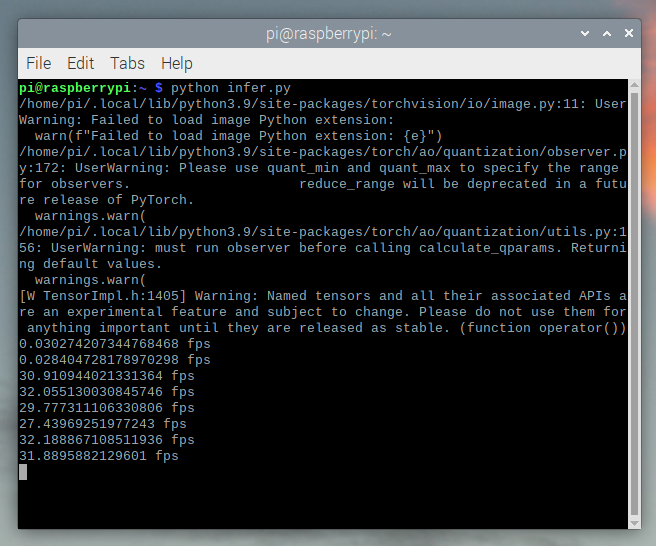
這是在 Raspberry Pi OS 的所有預設設定下進行的。如果您停用了 UI 和所有其他預設啟用的後臺服務,其效能和穩定性會更高。
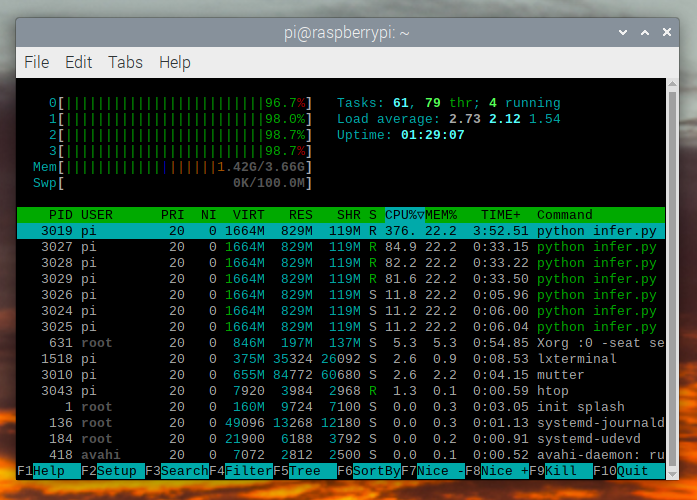
如果我們檢查 `htop`,我們會看到 CPU 利用率接近 100%。
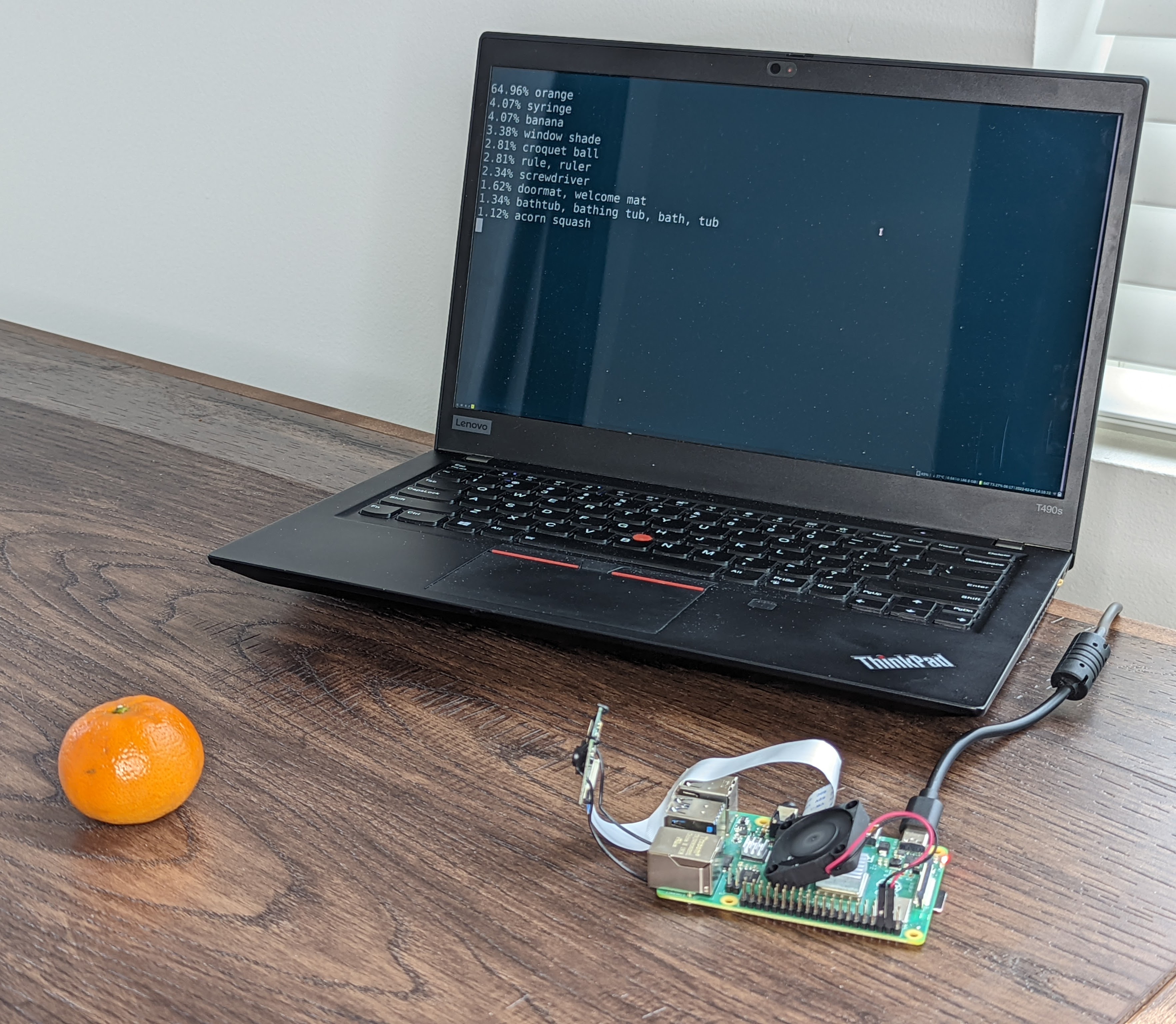
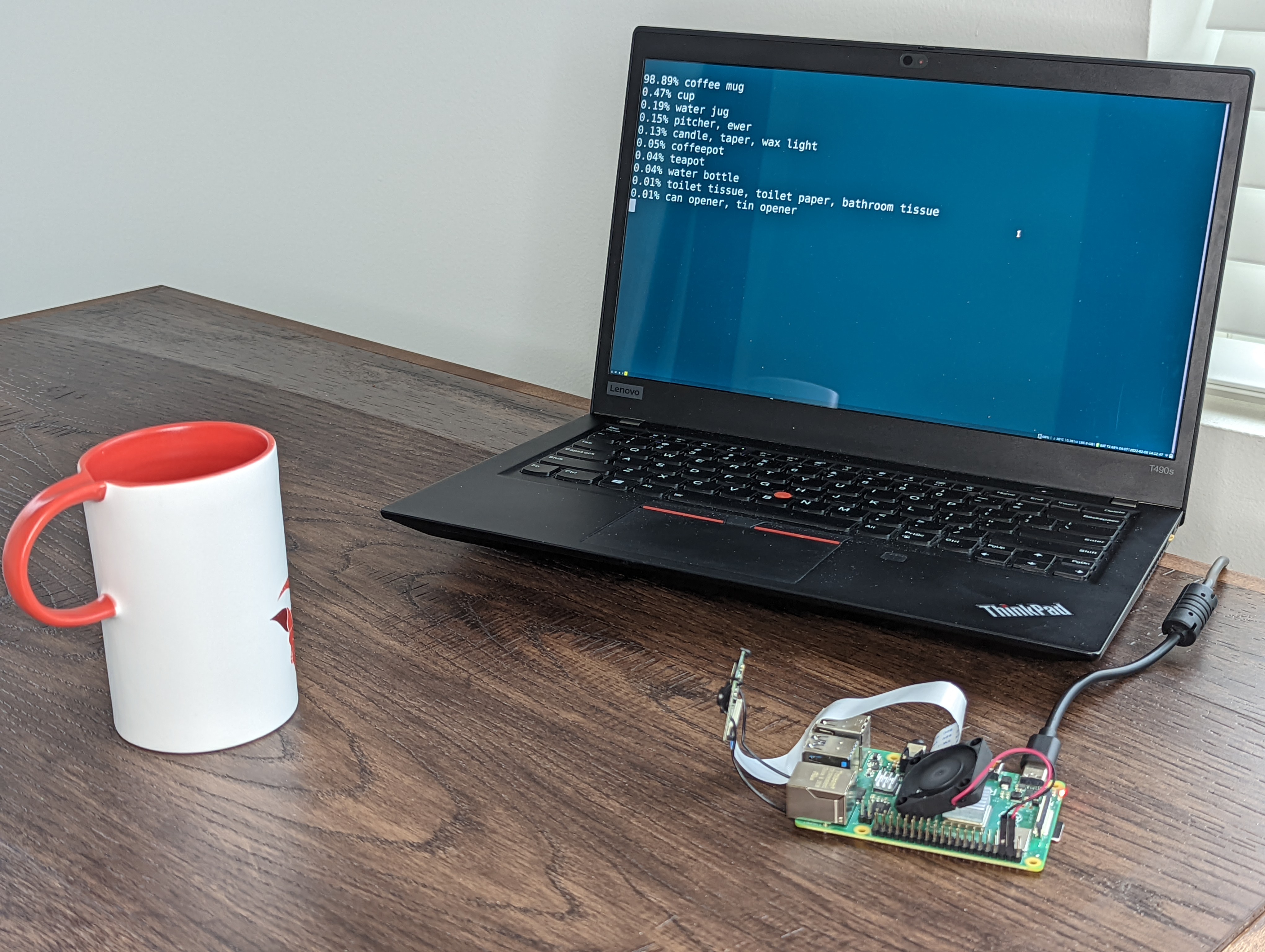
為了驗證端到端的執行情況,我們可以計算類的機率,並 使用 ImageNet 類標籤 來列印檢測結果。
top = list(enumerate(output[0].softmax(dim=0)))
top.sort(key=lambda x: x[1], reverse=True)
for idx, val in top[:10]:
    print(f"{val.item()*100:.2f}% {classes[idx]}")
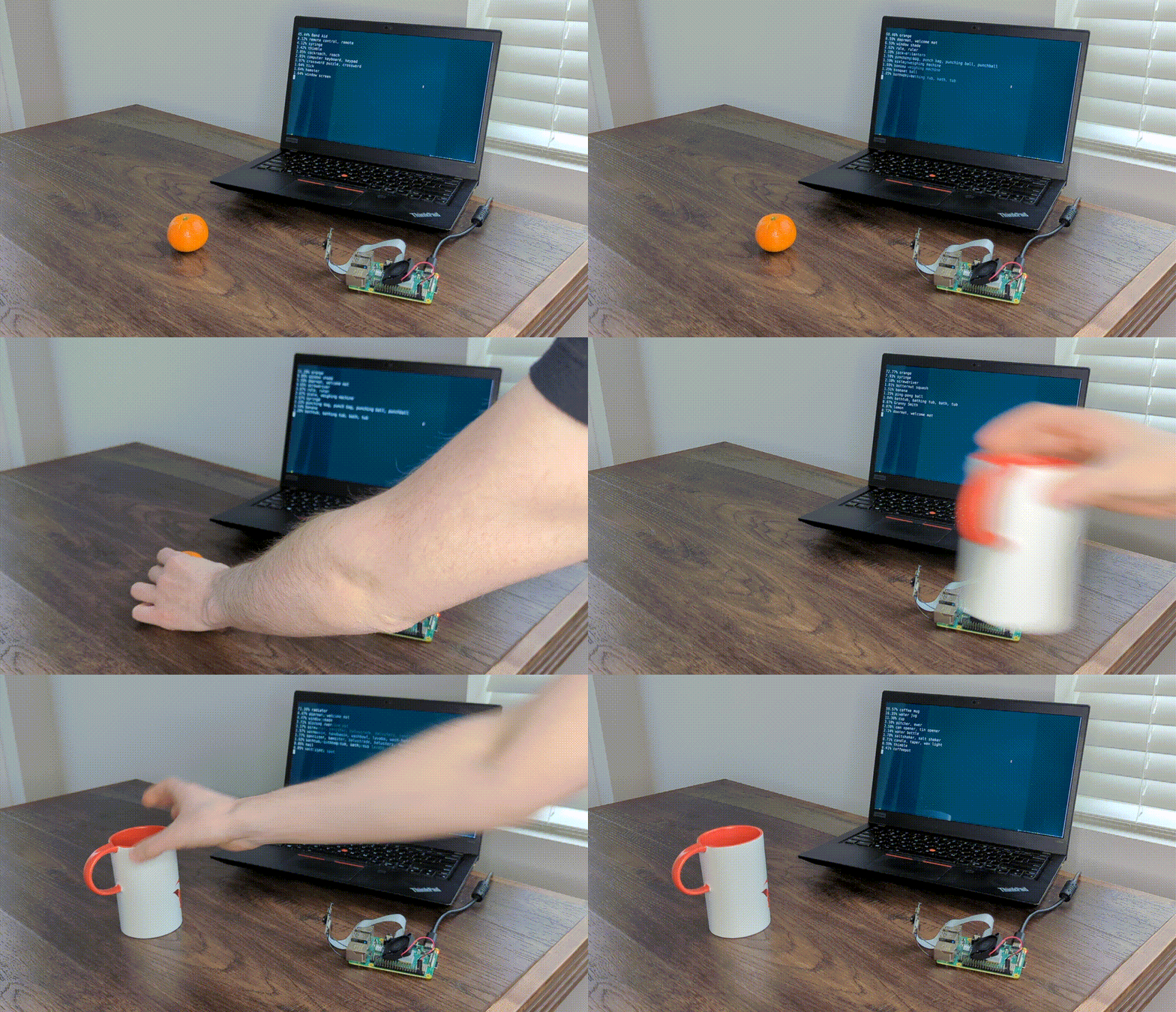
即時執行 `mobilenet_v3_large`
檢測到一個橙子
檢測到一個馬克杯
故障排除:效能#
PyTorch 預設會使用所有可用的核心。如果 Raspberry Pi 上有任何後臺執行的程式,它可能會與模型推理競爭,導致延遲尖峰。為緩解此問題,您可以減少執行緒數,這會以少量的效能損失降低峰值延遲。
torch.set_num_threads(2)
對於 `shufflenet_v2_x1_5`,使用 `2 threads` 而不是 `4 threads` 會將最佳情況延遲從 `60ms` 提高到 `72ms`,但消除了 `128ms` 的延遲尖峰。
下一步#
您可以建立自己的模型或微調現有模型。如果您在 torchvision.models.quantized 的模型上進行微調,那麼大部分融合和量化工作已經為您完成,因此您可以直接在 Raspberry Pi 上以良好的效能進行部署。
瞭解更多
